 bonesbalance
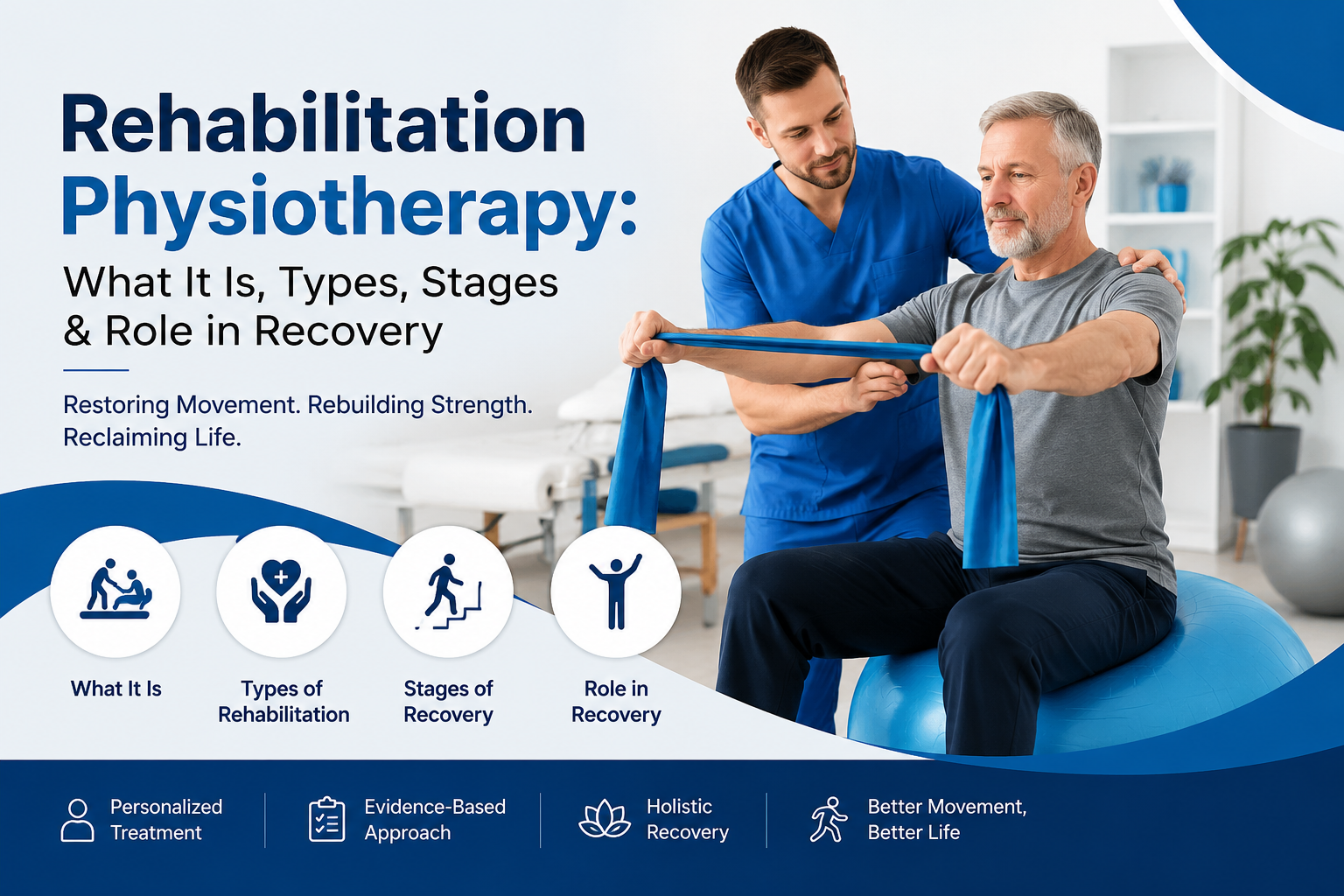
Whether you’re recovering from a sports injury, joint replacement surgery, or managing a chronic condition like osteoarthritis, rehabilitation physiotherapy can be the difference between a slow, painful recovery and a confident return to daily life. At Bones and Balance Physiotherapy in Niagara Falls, our expert physiotherapists design personalised rehabilitation programs to help you move better, hurt less, and live more fully.
In this guide, we answer the most common questions about rehabilitation physiotherapy — what it is, the four types of rehabilitation, the physiotherapist’s role, how physiotherapy helps with osteoarthritis, and the four key stages of rehabilitation.
What Is Rehabilitation Physiotherapy?
Rehabilitation physiotherapy is a specialised branch of healthcare focused on restoring movement, function, and quality of life to individuals affected by injury, illness, surgery, or disability. Physiotherapists — also known as physical therapists — are experts in human movement and use evidence-based techniques to help patients recover strength, mobility, and independence.
According to leading sources such as the Cleveland Clinic and Physiopedia, physiotherapists support people at all stages of life — from preventing injuries and managing chronic pain to recovering from major surgeries and neurological conditions. Their scope goes well beyond simple exercise prescription.
Rehabilitation physiotherapy addresses physical, psychological, emotional, and social aspects of wellbeing. It is not just about treating pain; it’s about empowering you to regain control of your body and your life.
At Bones and Balance, our rehabilitation services include neuro rehab, cardiac rehab, post-surgical recovery, sports injury rehabilitation, and chronic pain management — all under one roof in Niagara Falls.
What Are the Four Types of Rehabilitation?
Rehabilitation is not a one-size-fits-all process. Depending on your condition, injury type, or health goals, your physiotherapist may focus on one or more of the following four primary types of rehabilitation:
1. Orthopaedic / Musculoskeletal Rehabilitation
This is the most common form of rehab and addresses injuries or conditions affecting the muscles, bones, joints, tendons, and ligaments. Examples include ACL tears, rotator cuff injuries, post-hip or knee replacement recovery, fracture rehabilitation, and chronic low back pain. Physiotherapy services at Bones and Balance are heavily focused on orthopaedic recovery, helping patients rebuild strength, restore range of motion, and prevent re-injury.
2. Neurological Rehabilitation
Neurological rehab focuses on individuals living with conditions that affect the brain, spinal cord, or nervous system — such as stroke, Parkinson’s disease, multiple sclerosis, spinal cord injuries, or traumatic brain injuries. The goal is to retrain the nervous system, improve coordination, and maximise functional independence. Our specialised neuro rehab program in Niagara Falls uses progressive, evidence-based techniques to support neurological recovery at every stage.
3. Cardiovascular and Pulmonary Rehabilitation
Cardiac and pulmonary rehabilitation helps individuals recovering from heart attacks, heart surgery, COPD, or other cardiorespiratory conditions. Under the supervision of trained physiotherapists, patients gradually rebuild cardiovascular endurance, learn breathing techniques, and safely improve overall stamina. Bones and Balance offers a structured cardiac rehab program designed to reduce the risk of future cardiac events and restore an active lifestyle.
4. Geriatric Rehabilitation
Geriatric rehabilitation addresses the unique physical challenges that come with ageing — including balance disorders, fall prevention, arthritis management, post-fracture recovery, and general deconditioning. As we age, our bodies need targeted support to maintain independence and quality of life. Physiotherapists work closely with older adults to design safe, progressive programs that improve strength, stability, and confidence in daily movement.
What Is the Role of a Physiotherapist in Rehabilitation?
The physiotherapist’s role in rehabilitation is far more comprehensive than simply guiding patients through exercises. According to Physiopedia, physiotherapists have a key role in prevention, identification, assessment, treatment, and re/habilitation of individuals whose movement and function are threatened by ageing, injury, disease, or environmental factors.
Here’s a breakdown of what a physiotherapist does throughout your rehabilitation journey:
- Assessment & Diagnosis Support: Your physiotherapist performs a thorough physical assessment to evaluate your posture, strength, range of motion, gait, and neurological function. While they cannot prescribe medication or perform surgery, their clinical assessment guides the entire rehab plan.
- Personalised Treatment Planning: No two bodies are alike. Your physiotherapist creates a customised rehabilitation program based on your condition, goals, fitness level, and lifestyle — whether you’re an athlete returning to sport or a senior recovering from a hip replacement.
- Pain Management: Through techniques like manual therapy, dry needling, acupuncture, and therapeutic exercises, physiotherapists help reduce pain without relying solely on medication. At Bones and Balance, we offer acupuncture treatment as part of comprehensive pain management.
- Restoring Mobility and Function: A core goal of rehabilitation physiotherapy is to improve range of motion and functional capacity — helping you return to the activities that matter most to you.
- Education and Self-Management: Physiotherapists educate patients on injury prevention, home exercise programs, posture correction, and lifestyle modifications that support long-term recovery.
- Collaborative Care: Physiotherapists work as part of a multidisciplinary healthcare team alongside physicians, occupational therapists, and specialists — ensuring coordinated, holistic care.
At Bones and Balance Physiotherapy Clinic, our therapists bring this full spectrum of skills to every patient. Whether you’re recovering from a workplace injury or managing a complex neurological condition, we work with you every step of the way.
Can a Physiotherapist Help with Osteoarthritis?
Yes — physiotherapy is one of the most effective and recommended treatments for osteoarthritis (OA). Osteoarthritis is a degenerative joint disease that causes cartilage breakdown, pain, stiffness, and reduced mobility — most commonly in the knees, hips, hands, and spine. While there is no cure for OA, physiotherapy can significantly slow its progression and dramatically improve your quality of life.
Here’s how rehabilitation physiotherapy helps with osteoarthritis:
- Strengthening Muscles Around the Joint: Weak muscles place greater stress on arthritic joints. Targeted strengthening exercises build support around the knee, hip, or shoulder, reducing pain and improving stability.
- Improving Joint Range of Motion: Gentle mobilisation techniques and stretching help maintain or restore joint flexibility, reducing morning stiffness and improving overall movement patterns.
- Pain Relief Techniques: Manual therapy, heat/cold therapy, ultrasound, and TENS are commonly used by physiotherapists to manage osteoarthritis-related pain — often reducing the need for pain medication.
- Activity Modification: Your physiotherapist helps you identify which activities aggravate your OA and provides alternative strategies to stay active without worsening joint damage.
- Gait and Posture Correction: Abnormal movement patterns can accelerate joint wear. Physiotherapists assess and correct your gait to distribute load more evenly across joints.
- Weight Management Support: Excess body weight significantly increases joint stress. Physiotherapy-guided exercise programs support healthy weight management as part of OA care.
Research supports physiotherapy as a first-line intervention for osteoarthritis. A study published in the Australian Journal of Physiotherapy confirmed that physiotherapy interventions — including exercise therapy and manual techniques — produce meaningful improvements in pain and function for OA patients.
If you are living with osteoarthritis in Niagara Falls, our physiotherapy team at Bones and Balance can develop a tailored osteoarthritis management plan that keeps you active and pain-free for longer.
What Are the 4 Stages of Rehabilitation?
Rehabilitation is not a single event — it is a structured journey that progresses through distinct phases. Understanding the four stages of rehabilitation helps patients set realistic expectations and stay motivated throughout the recovery process.
Stage 1: Acute Phase — Pain & Inflammation Control
The first stage begins immediately after an injury or procedure. The primary goal is to reduce pain, swelling, and inflammation while protecting the injured area from further damage. Treatment at this stage typically involves rest, ice or heat application, gentle range-of-motion exercises, and electrotherapy modalities like ultrasound or TENS. Your physiotherapist will also educate you on activity restrictions and positions to avoid — preventing setbacks while allowing natural healing to begin.
Stage 2: Subacute Phase — Restoring Mobility & Flexibility
Once acute inflammation subsides, the focus shifts to gradually restoring normal joint movement and flexibility. Physiotherapists introduce progressive mobilisation techniques, gentle strengthening exercises, and manual therapy to break down scar tissue and improve tissue extensibility. Patients typically notice improved range of motion and reduced stiffness during this phase. Consistent attendance and home exercise compliance are critical to progressing efficiently through Stage 2.
Stage 3: Strengthening & Functional Rehabilitation Phase
Stage 3 is where more intensive rehabilitation begins. The focus moves from pain management to rebuilding functional strength, muscular endurance, balance, and coordination. Exercises become progressively more challenging, mimicking the demands of daily activities, work tasks, or sports performance. This phase is critical for preventing future injury — weak or imbalanced muscles are a leading cause of re-injury. Our multidisciplinary team at Bones and Balance closely monitors your progress and adjusts your program to ensure optimal load progression without setbacks.
Stage 4: Return to Activity / Maintenance Phase
The final stage of rehabilitation is focused on safely returning you to your full pre-injury activity level — whether that’s playing recreational sports, returning to a physically demanding job, or simply enjoying pain-free daily life. Your physiotherapist will perform functional movement assessments to confirm that your body is truly ready, reducing the risk of re-injury. A long-term maintenance plan — including home exercises and periodic check-ins — ensures that the gains achieved through rehabilitation are sustained well into the future.
At Bones and Balance Physiotherapy, we guide patients through every one of these stages with expert care, advanced techniques, and a genuine commitment to their recovery goals.
Ready to Begin Your Rehabilitation Journey in Niagara Falls?
Rehabilitation physiotherapy is one of the most powerful tools available for restoring movement, reducing pain, and reclaiming your active life. Whether you’re managing osteoarthritis, recovering from surgery, or working through a neurological condition, the right physiotherapy program — delivered by the right team — makes all the difference.
Bones and Balance is Niagara Falls’ trusted multidisciplinary physiotherapy clinic, offering comprehensive rehabilitation physiotherapy, neuro rehab, cardiac rehab, massage therapy, and much more. Our experienced therapists are ready to build a personalised program that gets you back to the activities you love — faster and safer.
???? Call us at (905) 358-8088 or book your appointment online today. Your recovery starts here.
Q1: What is rehabilitation physiotherapy?
Rehabilitation physiotherapy is a branch of healthcare that utilises evidence-based techniques — including exercise therapy, manual therapy, and electrotherapy — to restore movement, alleviate pain, and enhance the quality of life for individuals affected by injury, illness, surgery, or disability.
Q2: What are the four types of rehabilitation?
The four main types of rehabilitation are:
(1) Orthopaedic/musculoskeletal rehabilitation for injuries to bones, joints, and muscles;
(2) Neurological rehabilitation for stroke, Parkinson’s, and spinal cord conditions;
(3) Cardiovascular and pulmonary rehabilitation for heart and lung conditions; and
(4) Geriatric rehabilitation for age-related mobility and balance challenges.
Q3: What is the role of a physiotherapist in rehabilitation?
A physiotherapist assesses your condition, creates a personalised treatment plan, manages pain through hands-on techniques, guides you through progressive exercises, and educates you on injury prevention. They also collaborate with your wider healthcare team to support holistic recovery.
Q4: Can a physiotherapist help with osteoarthritis?
Yes. Physiotherapy is one of the most effective first-line treatments for osteoarthritis. Physiotherapists use targeted strengthening exercises, joint mobilisation, manual therapy, and pain-relief modalities to reduce pain, improve joint mobility, and slow the progression of the condition.
Q5: What are the 4 stages of rehabilitation?
The four stages of rehabilitation are: (1) Acute Phase — controlling pain and inflammation;
(2) Subacute Phase — restoring mobility and flexibility;
(3) Strengthening Phase — rebuilding functional strength, balance, and endurance; and
(4) Return-to-Activity Phase — safely resuming full daily activities or sports.
