 bonesbalance
Knee arthritis is one of the most common causes of joint pain and disability worldwide — and for millions of people, it quietly steals the joy of everyday activities like walking, climbing stairs, or playing with grandchildren. The good news? You don’t have to live with that pain forever.
Physiotherapy is one of the most effective, evidence-based treatments for knee arthritis. Unlike surgery or long-term medication, physiotherapy addresses the root cause — weak muscles, stiff joints, and poor movement patterns — to deliver lasting relief. This guide walks you through everything you need to know: what causes knee arthritis, how physiotherapy helps, the best exercises to do at home, and lifestyle changes that make a real difference.
What Is Knee Arthritis?
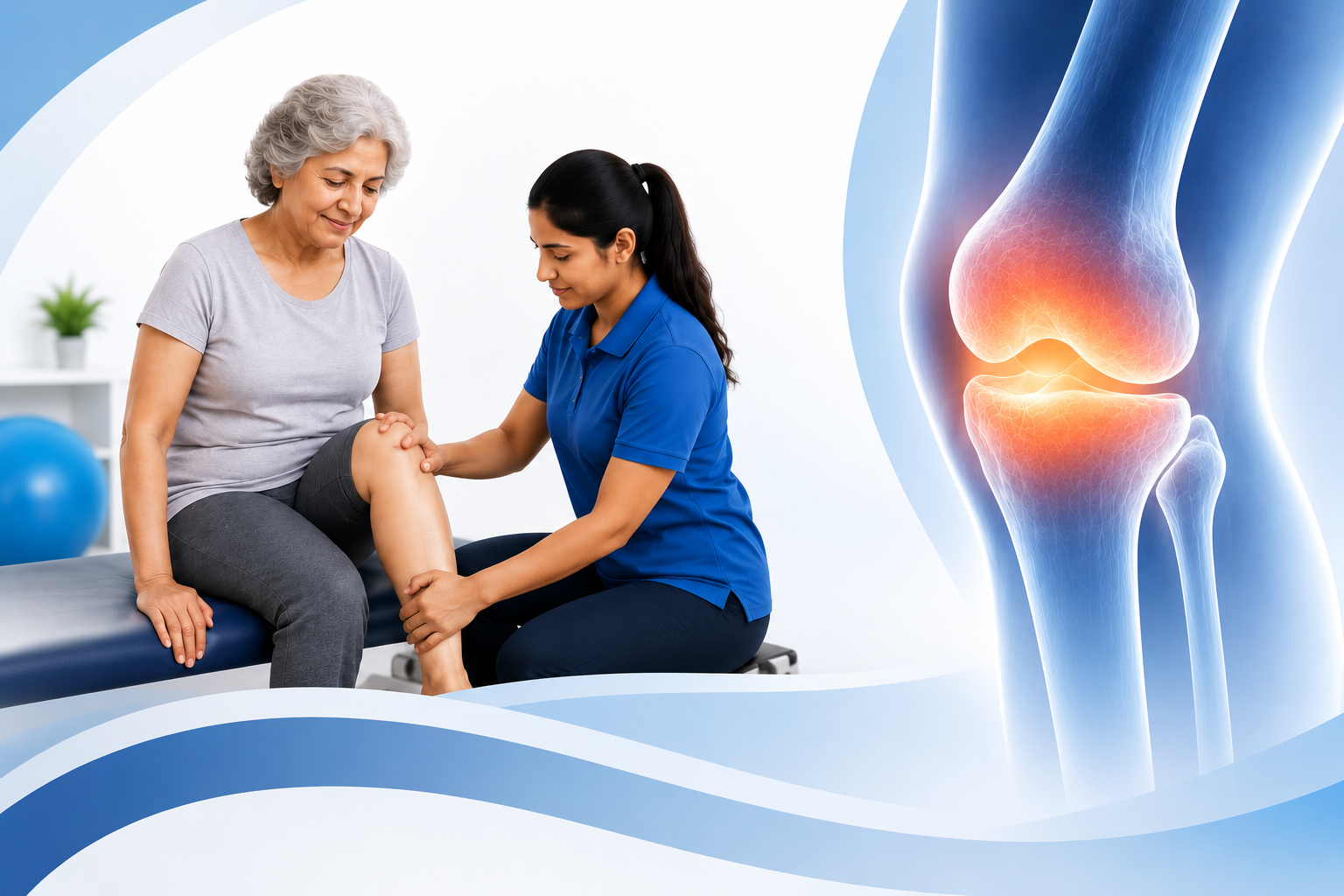
Knee arthritis is a degenerative joint disease where the cartilage that cushions your knee joint gradually wears down. As cartilage thins, bone begins to rub against bone — causing pain, swelling, stiffness, and reduced mobility.
There are two main types:
- Osteoarthritis (OA): The most common form, usually affecting people over 50. It develops slowly due to age, weight, past injuries, or overuse.
- Rheumatoid Arthritis (RA): An autoimmune condition where the body’s immune system attacks the joint lining, causing inflammation and damage at any age.
Common symptoms include:
- Morning stiffness lasting more than 30 minutes
- Pain that worsens with activity or after long periods of sitting
- Swelling or warmth around the knee joint
- A grinding or clicking sensation (crepitus)
- Difficulty fully bending or straightening the knee
Early diagnosis and a structured physiotherapy programme can significantly slow the progression of knee arthritis and dramatically improve your quality of life.
Why Physiotherapy Is the First-Line Treatment for Knee Arthritis
Many people assume knee arthritis inevitably leads to surgery — but clinical guidelines from organisations like NICE and the Arthritis Foundation consistently recommend physiotherapy as the first and most effective treatment before considering surgical options.
Here’s why physiotherapy works so well:
- Strengthens the muscles around the knee — particularly the quadriceps, hamstrings, and glutes — which reduces the load placed on the damaged joint
- Improves joint mobility and range of motion through targeted stretching and manual therapy
- Reduces pain and inflammation using electrotherapy, massage, and therapeutic exercises
- Corrects movement patterns like gait abnormalities and poor posture that accelerate cartilage wear
- Empowers you with self-management skills so you can stay active and independent long-term
Studies show that a structured physiotherapy programme can reduce knee pain by up to 40% and significantly delay or even prevent the need for knee replacement surgery.
Physiotherapy Treatments for Knee Arthritis
A qualified physiotherapist will design a personalised treatment plan based on your symptoms, fitness level, and lifestyle. Here are the most commonly used physiotherapy interventions:
1. Manual Therapy
Hands-on techniques including joint mobilisation, soft tissue massage, and myofascial release help reduce stiffness, improve circulation, and restore normal movement to the knee joint.
2. Therapeutic Exercise
This is the cornerstone of any knee arthritis rehabilitation programme. Your physiotherapist will prescribe specific strengthening, stretching, and balance exercises tailored to your condition and progress.
3. Electrotherapy (TENS & Ultrasound)
Transcutaneous Electrical Nerve Stimulation (TENS) uses low-voltage electrical currents to interrupt pain signals. Therapeutic ultrasound uses sound waves to reduce deep tissue inflammation and promote healing in the joint.
4. Heat and Cold Therapy
- Heat (thermotherapy): Applied before exercise to loosen stiff joints and improve blood flow
- Cold (cryotherapy): Applied after activity to reduce swelling and acute pain
5. Kinesiology Taping
Specialised elastic tape applied around the knee helps offload pressure from the joint, improve proprioception (body awareness), and support the knee during activity without restricting movement.
6. Hydrotherapy
Exercise in a warm water pool reduces the gravitational load on the knee by up to 75%, allowing pain-free movement and muscle strengthening that may be too difficult on land.
Best Physiotherapy Exercises for Knee Arthritis
These exercises are widely recommended by physiotherapists for knee osteoarthritis. Start gently, listen to your body, and perform them on a firm surface. Aim for 2–3 sets of 10–15 repetitions each.
Important: Consult your physiotherapist before starting any new exercise programme, especially if you have severe knee arthritis or recent surgery.
1. Straight Leg Raises
Targets: Quadriceps (thigh muscles)
Lie on your back, bend one knee with foot flat, and keep the other leg straight. Tighten the thigh muscle of the straight leg and raise it to the height of the bent knee. Hold for 3 seconds, lower slowly. This is one of the safest knee exercises — zero stress on the joint.
2. Seated Knee Extensions
Targets: Quadriceps, knee joint mobility
Sit upright in a chair. Slowly straighten one leg until it’s parallel to the floor, hold for 5 seconds, then lower gently. Alternate legs. You can add a light resistance band for progression.
3. Wall Squats (Mini Squats)
Targets: Quadriceps, glutes, hamstrings
Stand with your back against a wall, feet shoulder-width apart. Slide down slowly until your knees are at a 30–45° angle (no deeper). Hold for 5–10 seconds and slide back up. This builds crucial thigh strength with minimal joint stress.
4. Heel Slides
Targets: Range of motion, hamstrings
Lie on your back with legs straight. Slowly slide one heel toward your buttocks, bending the knee as far as comfortable. Hold briefly, then slide back. This gently improves flexibility in a pain-free range.
5. Clamshells
Targets: Hip abductors, glutes
Lie on your side with knees bent and feet together. Keeping your feet touching, raise your top knee like a clamshell opening. Hold 3 seconds, lower slowly. Strong hip muscles dramatically reduce load transfer to the knee.
6. Standing Calf Raises
Targets: Calf muscles, ankle stability, balance
Stand behind a chair for support. Slowly rise onto your toes, hold for 2 seconds, and lower. This improves lower limb circulation and knee stability.
Lifestyle Changes That Supercharge Your Recovery
Physiotherapy works best when combined with smart lifestyle habits. These evidence-based strategies help manage knee arthritis beyond the clinic:
Maintain a Healthy Weight
Every kilogram of excess body weight places approximately 4 kg of extra force on your knee with each step. Even a modest weight loss of 5–10% can significantly reduce pain, slow cartilage wear, and improve your physiotherapy outcomes.
Choose the Right Footwear
Worn-out shoes or high heels alter your gait and increase knee stress. Opt for supportive, cushioned trainers or consider custom orthotics recommended by your physiotherapist to correct alignment.
Stay Active — But Work Smarter
Low-impact activities like swimming, cycling, walking on flat surfaces, and yoga are ideal for knee arthritis. Avoid high-impact sports like running on hard surfaces, which worsen cartilage breakdown. The key is consistent, gentle movement — not rest.
Anti-Inflammatory Diet
Foods rich in omega-3 fatty acids (salmon, walnuts, flaxseed), antioxidants (berries, leafy greens), and turmeric have been shown to reduce joint inflammation. Minimise processed foods, refined sugar, and red meat, which promote inflammation.
Mind Your Posture and Ergonomics
Poor sitting posture, crossing your legs, or sitting for extended periods, tightens hip flexors and increases knee stress. Use a chair that allows your feet to rest flat, take regular movement breaks, and avoid squatting deeply on hard floors.
When to See a Physiotherapist
See a physiotherapist promptly if you experience:
- Knee pain lasting more than 2 weeks
- Swelling, warmth, or redness around the joint
- Stiffness that limits your daily activities
- A feeling of instability or “giving way” in the knee
- Pain that disrupts your sleep
The sooner you begin physiotherapy, the better your outcome. Early intervention prevents muscle weakness, improves joint mechanics, and reduces the risk of developing compensatory problems in your hip, ankle, or lower back.
Conclusion of Physiotherapy for Knee Arthritis
Knee arthritis doesn’t have to define how you move through life. With the right physiotherapy programme — combining targeted exercise, hands-on treatment, and smart lifestyle changes — you can reduce pain, regain mobility, and stay active for years to come.
The most important step? Don’t wait. The earlier you begin physiotherapy, the more cartilage you protect and the stronger your long-term outcome. Book a consultation with a qualified physiotherapist today and take back control of your knee health.
Frequently Asked Questions
Q: Can physiotherapy cure knee arthritis?
Physiotherapy cannot reverse cartilage damage, but it is highly effective at reducing pain, restoring function, and slowing disease progression. Many patients achieve near-normal activity levels with consistent physiotherapy.
Q: How many physiotherapy sessions do I need?
Most patients see significant improvement within 6–12 sessions. Your physiotherapist will reassess regularly and adjust your plan accordingly. Ongoing home exercise is essential for long-term results.
Q: Is physiotherapy better than knee replacement surgery?
For mild to moderate knee arthritis, physiotherapy often delivers outcomes comparable to surgery — without the risks, cost, or recovery time. Surgery is typically recommended only when conservative treatments have been exhausted.
