 bonesbalance
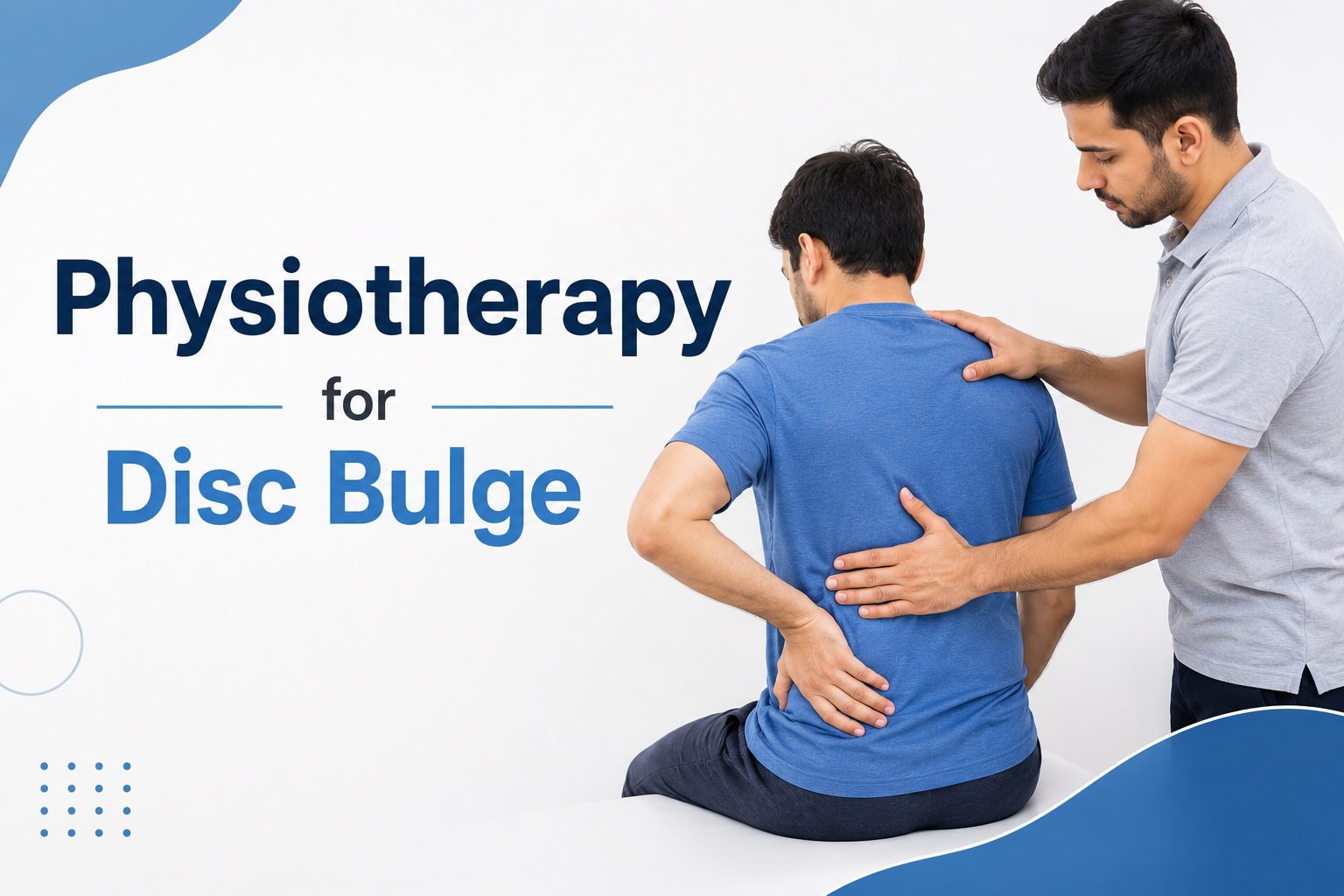
Physiotherapy for disc bulge is one of the best ways to recover naturally and avoid surgery. A personalised treatment plan helps reduce pain, takes pressure off the affected nerve, and gradually restores normal movement in your spine. Gentle exercises, hands-on manual therapy, and posture correction all work together to help the bulging disc heal and make your back stronger over time.
A good physiotherapy program also teaches you the right way to sit, lift, and move in daily life — so you protect your spine and avoid injuring it again. Whether you are dealing with an L4 L5 or L5 S1 disc bulge, the right physiotherapy treatment can help you get back to your normal routine with greater confidence, less pain, and a healthier, stronger back.
What Is a Disc Bulge?
Your spine is made up of small bones called vertebrae, stacked on top of each other. Between each bone sits a soft, gel-like disc that acts like a shock absorber — cushioning your spine and helping it move smoothly.
Sometimes, due to poor posture, heavy lifting, a sudden jerk, or simply getting older, one of these discs can shift out of its normal position. When that happens, the disc pushes outward and can press on nearby nerves — causing pain, tingling, numbness, or weakness in your legs or lower back.
A disc bulge can happen anywhere in the spine, but it most commonly occurs in the lower back (lumbar spine). The three most affected levels are:
- L3 L4 disc bulge
- L4 L5 disc bulge
- L5 S1 disc bulge
These areas carry most of your body’s weight every day. If you have weak core muscles, poor posture, or regularly lift heavy objects the wrong way, these levels become especially vulnerable to stress and injury.
Common Symptoms of a Bulging Disc
Spotting the signs of a bulging disc early can help you recover faster and more safely. Starting the right physiotherapy at the right time prevents further complications and gets you out of pain sooner.
Here are the most common symptoms to look out for:
- Lower back pain that gets worse when you bend forward, lift something heavy, or sit for long periods
- Pain that travels from your lower back down through your hips, buttocks, or legs — this is commonly known as sciatica
- Tingling or numbness in your legs, feet, or toes
- Weakness in one leg or foot that affects your balance and makes daily activities harder
- Difficulty standing or walking for long periods without pain or discomfort
If you are experiencing any of these symptoms, it is important to speak with a qualified physiotherapist as soon as possible. A professional can confirm the exact cause of your pain and put together a personalised disc bulge physiotherapy plan based on your specific condition — whether it is an L3 L4, L4 L5, or L5 S1 disc bulge.
Early treatment always leads to better and faster results. Do not wait for the pain to get worse before seeking help.
Why Choose Physiotherapy for a Bulging Disc?
Physiotherapy is one of the safest and most natural ways to recover from a bulging disc — without needing surgery or relying on painkillers long term.
A personalised physiotherapy program works in several ways. It reduces pain, improves the movement of your spine, and strengthens the muscles that support your back. It also identifies and corrects the poor posture and movement habits that often cause disc problems in the first place.
Unlike taking painkillers or simply resting, physiotherapy focuses on long-term recovery — not just short-term relief. With the right guidance, you learn the correct way to sit, stand, lift, and move every day. These small but important changes protect your spine and significantly reduce the risk of the same injury happening again.
Whether you are dealing with an L3 L4, L4 L5, or L5 S1 disc bulge, the right physiotherapy treatment can help you:
- Heal naturally without surgery
- Stay active during your recovery
- Return to daily life with confidence and less pain
- Build a stronger, more resilient back for the long term
Physiotherapy does not just treat the pain — it treats the root cause. That is what makes it the smarter, safer choice for bulging disc recovery.
Why Physiotherapy Works for a Disc Bulge
The good news is that a bulging disc often heals well without surgery. In most cases, surgery is only considered when there is severe nerve damage or serious complications like loss of bladder or bowel control, which is very rare. For the majority of people, a personalised physiotherapy for disc bulge program is the safest, most effective, and most natural path to recovery.
Here is why physiotherapy works so well:
- Reduces pain and inflammation naturally — without needing long-term medication or injections
- Restores spine movement and flexibility — so you can bend, walk, and move comfortably again
- Strengthens your back and core muscles — which take pressure off the bulging disc and support your spine properly
- Corrects poor posture and movement habits — the same habits that often caused the disc problem in the first place
- Teaches you how to move safely — the right way to sit, lift, and carry out daily activities without hurting your spine again
A personalised disc bulge physiotherapy plan does not just manage your symptoms — it targets the root cause of your pain. This means you get lasting relief, a stronger back, and the confidence to return to your normal daily routine without fear of the pain coming back.
How Bones & Balance Treats Disc Bulge: Our Approach
At Bones & Balance Physical Therapy & Rehab, Niagara Falls, we believe that every spine deserves individual attention — because no two backs are the same. That is why we never follow a one-size-fits-all approach.
Your disc bulge physiotherapy treatment is fully personalised — built around your specific symptoms, MRI findings, daily lifestyle, and recovery goals. Whether you are dealing with mild discomfort or chronic lower back pain, our experienced physiotherapy team creates a plan that works specifically for you — helping you heal safely, recover faster, and get back to the life you enjoy.
Real Story: A Patient’s Journey
David, 40 — L4 L5 Disc Bulge | Niagara Falls, Ontario
When David first visited Bones & Balance Physical Therapy & Rehab in Niagara Falls, he was struggling with severe lower back pain travelling down his right leg due to an L4 L5 disc bulge. He could barely sit through a workday or walk for more than 10 minutes without sharp pain. Our team created a fully personalised disc bulge physiotherapy treatment plan focusing on pain relief, posture correction, and core strengthening. He followed his program consistently and, within just six weeks was back to his daily walks — completely pain-free. Today, David continues his home exercises and confidently protects his spine in everyday life.
“I came in barely able to walk. The team at Bones & Balance gave me my life back. I never thought I would be pain-free this quickly.”
— David, 40, Niagara Falls, ON
Your recovery story can be next. With the right care and the right team behind you, a bulging disc does not have to slow you down.
Benefits of Disc Bulge Physiotherapy
When done correctly with the right guidance, physiotherapy for a disc bulge helps you recover naturally and safely — without surgery or long breaks from work and daily life.
Here are the key benefits of choosing a personalised disc bulge physiotherapy treatment:
- Helps You Avoid Surgery: In most cases, a well-structured physiotherapy program allows your disc to heal on its own — without the risks, costs, or lengthy recovery time that comes with surgery.
- Improves Movement and Daily Comfort: Targeted exercises and hands-on manual therapy restore flexibility and strength in your spine. Everyday activities like sitting at a desk, standing for long periods, or going for a walk become noticeably more comfortable.
- Reduces the Chance of It Happening Again: By correcting your posture, strengthening your core muscles, and teaching you how to move safely, physiotherapy significantly lowers the risk of injuring your back again in the future.
- Supports Your Overall Spine Health: Physiotherapy does not just focus on the affected disc — it improves the health and strength of your entire spine, giving you better long-term protection.
- Builds Confidence in Your Body: You learn how to listen to your body, handle mild flare-ups calmly, and move freely — whether you are at work, at home, or enjoying your favourite activities.
With the right physiotherapy care at Bones & Balance, Niagara Falls, you can take full control of your recovery and protect your spine for years to come.
Who Needs Disc Bulge Physiotherapy?
If you have been living with ongoing back pain or nerve-related symptoms, physiotherapy for a disc bulge could make a significant difference to your recovery. It is not only for severe cases — even a mild or moderate disc bulge can get worse over time if it is left untreated and ignored.
You should consider disc bulge physiotherapy if you are experiencing any of the following:
- Chronic or recurring lower back pain that does not improve with rest or painkillers
- Pain that spreads from your lower back down through your hips, buttocks, or legs
- Tingling, numbness, or weakness in your legs, feet, or toes that comes and goes
- Difficulty with everyday movements like bending forward, walking longer distances, or standing for extended periods without discomfort
If your MRI report shows an L3 L4, L4 L5, or L5 S1 disc bulge, starting the right treatment as early as possible gives you the best chance of healing naturally and avoiding further complications down the road.
Do not wait for the pain to get worse. With a personalised treatment plan and expert hands-on care from the team at Bones & Balance Physical Therapy & Rehab, Niagara Falls, you can relieve your pain, regain full mobility, and return to your daily life with strength and confidence.
Tips to Prevent Disc Bulge Problems
Physiotherapy helps you recover from a disc bulge, but good daily habits are what keep the problem from coming back. A few simple lifestyle changes can go a long way in protecting your spine and keeping your discs healthy for years to come.
- Maintain a Healthy Body Weight: Carrying extra weight puts unnecessary pressure on your lower back and spinal discs. Staying within a healthy weight range reduces that daily strain and protects your spine long term.
- Always Lift Objects the Right Way: When picking up something heavy, bend your knees, keep your back straight, and hold the object close to your body. Never twist your back while lifting — this is one of the most common causes of disc injuries.
- Take Regular Breaks from Sitting: Sitting for long periods compresses your spinal discs. Make it a habit to stand up, stretch, or take a short walk every 30 to 60 minutes throughout your workday.
- Strengthen Your Core Muscles: A strong core acts as a natural support belt for your spine. Regular core strengthening exercises reduce pressure on your discs and lower the risk of future back injuries significantly.
- Use Ergonomic Furniture: A good supportive chair and a properly set-up work desk make a big difference. Keep your screen at eye level, your feet flat on the floor, and your lower back well supported at all times.
Building these simple habits into your daily routine — alongside professional physiotherapy care from Bones & Balance, Niagara Falls, when needed — gives you the best chance of living an active, pain-free life for the long term.
